Program Blog

P.A.R.T.Y. in a Box, Resources

Easy Links to the P.A.R.T.Y. in a Box Series

USAT_Picks34

Over the years, US Academic Triathlon has asked students which event is their favorite. Surprisingly, the breakdown has always come out to be almost exactly split into thirds, with each of our three events taking an equal part of the pie.

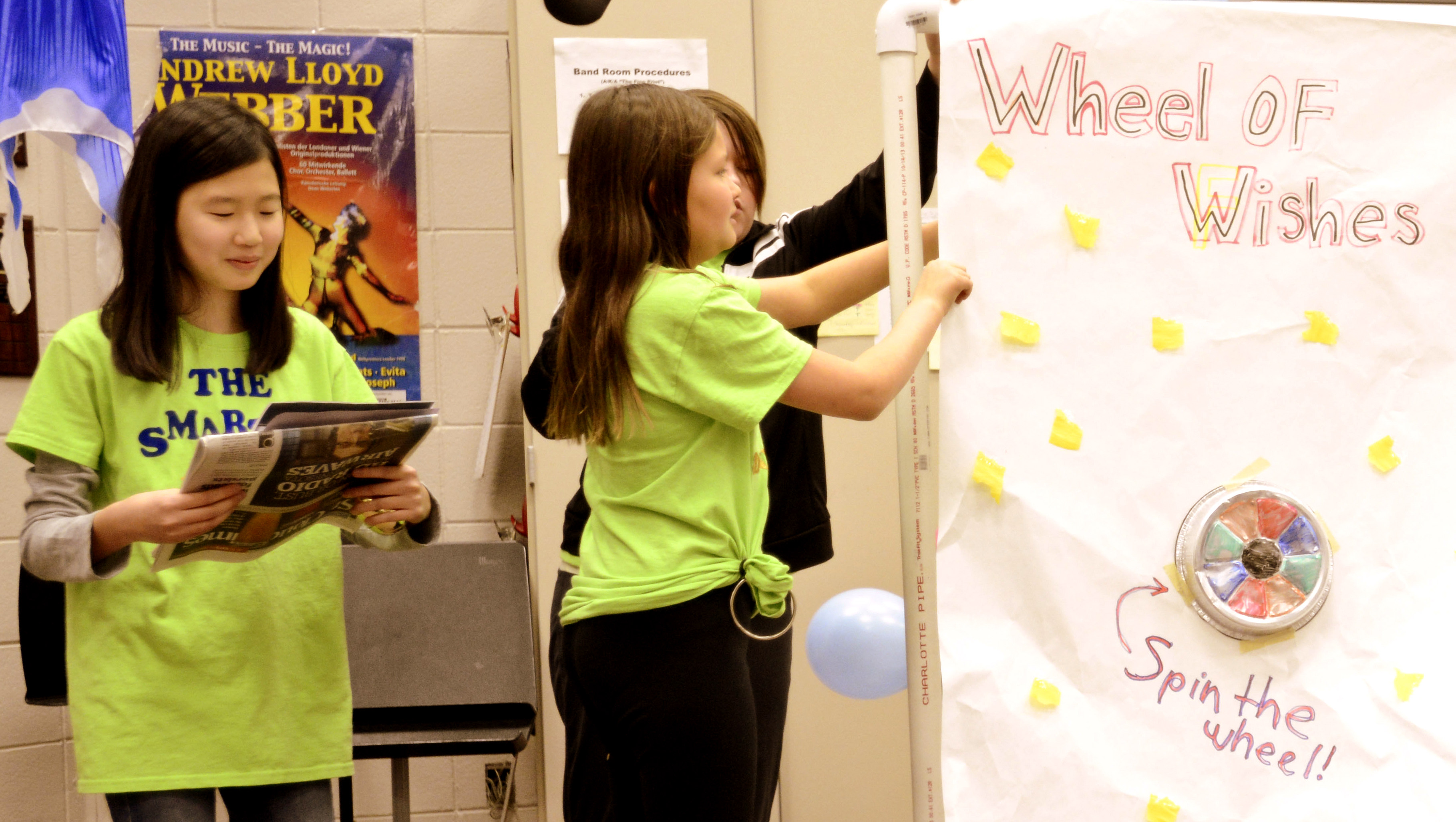
Last season we provided a series of tips for improving the skit planning and performances for these students who don’t find it quite so easy. In case you missed it or need a refresher before heading into the last Round Robin Meet on February 19, we’ve provided links for the series below.

Theater Etiquette

Front and Center

Make it Memorable

Backdrops Set the Scene

Costumes make the Character

Props add Pop

Close Reading

Looking for more creative ways for your students or child to reach their full potential? Stay tuned for our next series on Multiple Intelligences that starts next week!

Uncategorized

Round Robin #2 Reflection

USAT_Pics9That’s two Round Robins down and only one to go! We’d love to hear from you about our second Meet of the season.

Did any students display a special or surprising talent? Did you get a kick out of any of challenges? Were there items on the Face-Off! that even stumped the parents?

Leave us a comment by clicking “Leave a Comment” below the title of this post and send your photos to aweaverdyck@usacademictriathlon.com to get them into our future photo gallery.

Face-Off, Resources

Improving Your Team’s Face-Off! Performance

USAT_Pic11

There are strategies such as SCAMPER and a close reading of the scoring rubric that can help USAT participants in obvious ways during Mind Sprints and P.A.R.T.Y. in a Box events. It is more difficult to strategize when it comes to answer the trivia and logic problems in Face -Off!, but there is one approach your team may want to try.

There are five categories in the Face -Off! competition, and they are the same in the oral and written rounds. Here is the breakdown:

  1. Science/Health- principles and vocabulary of rudimentary astronomy, biology, chemistry, and physics, plus human health issues
  2. Math/Music Theory- logic and math problems spanning arithmetic, geometry, and algebra as well as principles and vocabulary in music
  3. Current Events/Consumer Issues- News of the day and information about new advancements in technology and other industries
  4. English Literature/Usage- Characters, major plot points, and information about authors as well as definitions of words and grammar in the English language
  5. Social Science/Geography- American history and government, world history, and geography

Five categories, and five members of a USAT team. Coincidence, or opportunity?

Different students have different strengths and challenges; things that come easily to one will be difficult for another. As a coach, you can help your students by talking about these different abilities and working together to appoint “experts” in the various Face -Off! categories. This will encourage them to take ownership of different content, such as by staying on top of the news of the day or reading new books. The expert could last for a whole season or rotate by Meet, depending on your strategy and goals. Team mates can use the expert’s knowledge as their jumping-off point or deciding vote during a dispute about an answer, which, in turn, saves time.

US Academic Triathlon is both a chance for students to play to their strengths as well as push themselves to excel in other areas that don’t come as easily. By rotating your experts, or assigning tasks to students that they find challenging, it is also an opportunity for them to grow. Perhaps one of your students has a problem with remembering the location of the 50 US states. Rote memorization rarely works, but you could add something else to the research, like three fun facts about each state or asking them to use the outline as the basis of a drawing. The student could then potentially present on her findings during practices and expand the knowledge of all of her team mates at the same time.

Have you discovered any creative ways to practice for Face-Off? We’d love to hear from you!

For Coaches and Teachers, For Kids, For Parents, Mind Sprints, Resources, SCAMPER Technique

Getting the Most Out of SCAMPER Links

State 2015
State 2015

SCAMPER is a valuable technique for students as they approach USAT challenges. Below are links to last year’s SCAMPER blog series for new students and coaches, as well as those returning who might need a refresher or a way to liven up practices.

S is for Substitute

C is for Combine

A is for Adapt

M is for Magnify/Minify

P is for Put to Another Use

E is for Eliminate

R is for Rearrange

For Coaches and Teachers, For Hosts and Facilitators, For Kids, For Parents

Round Robin 1 Reflection

Competition Kit
Competition Kit

Now that you have the first Round Robin under your belt, we’d love to hear from you!

Did you have a favorite event? Did you see a particularly good P.A.R.T.Y. in a box performance? Do you have any good photos of the action you’d like to share?

Leave us a comment below or on our Facebook page, and send your photos to Alison@usacademictriathlon.com if you’d like to see them on the website or Facebook.

Next week you won’t see any posts on the blog or on Facebook as our team goes into holiday mode, but check back the week of December 28 for more brainstorming prompts and resources.