
Find your schedule here.
2016-17 Schedules Are Up!
Find your schedule here.
Find your schedule here.
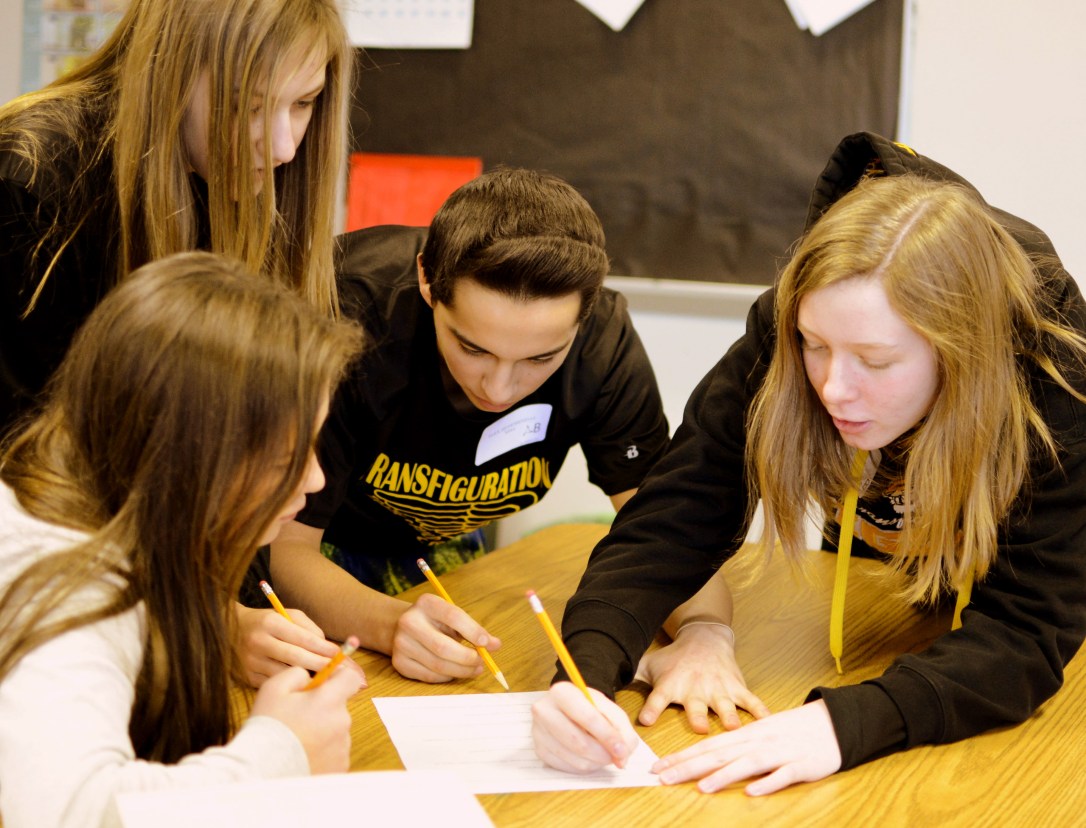
There are strategies such as SCAMPER and a close reading of the scoring rubric that can help USAT participants in obvious ways during Mind Sprints and P.A.R.T.Y. in a Box events. It is more difficult to strategize when it comes to answering the trivia and logic problems in Face -Off!, but there is one approach your team may want to try.
There are five categories in the Face -Off! competition, and they are the same in the oral and written rounds. Here is the breakdown:
Five categories, and five members of a USAT team. Coincidence, or opportunity?
Different students have different strengths and challenges; things that come easily to one will be difficult for another. As a coach, you can help your students by talking about these different abilities and working together to appoint “experts” in the various Face -Off! categories. This will encourage them to take ownership of different content, such as by staying on top of the news of the day or reading new books. The expert could last for a whole season or rotate by Meet, depending on your strategy and goals. Team mates can use the expert’s knowledge as their jumping-off point or deciding vote during a dispute about an answer, which, in turn, saves time.
US Academic Triathlon is both a chance for students to play to their strengths as well as push themselves to excel in other areas that don’t come as easily. By rotating your experts, or assigning tasks to students that they find challenging, it is also an opportunity for them to grow. Perhaps one of your students has a problem with remembering the location of the 50 US states. Rote memorization rarely works, but you could add something else to the research, like three fun facts about each state or asking them to use the outline as the basis of a drawing. The student could then potentially present on her findings during practices and expand the knowledge of all of her team mates at the same time.
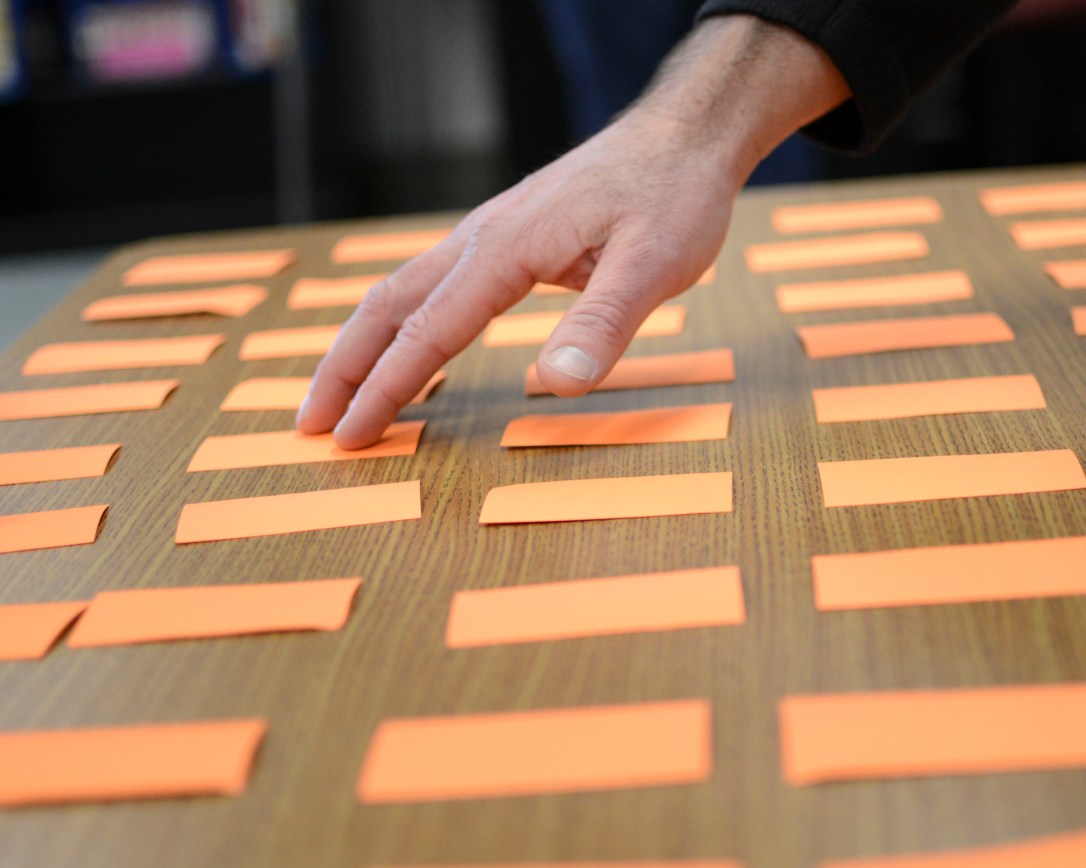
SCAMPER is a valuable technique for students as they approach USAT challenges. Mind Sprints often are centered on brain-storming activities, or at least have a bonus round that requires quick thinking and fast answers. SCAMPER is a great way to come up with new uses for old ideas and objects.
Help your students get off to a great start this year with our tips for making P.A.R.T.Y. in a Box performances the best they can be.
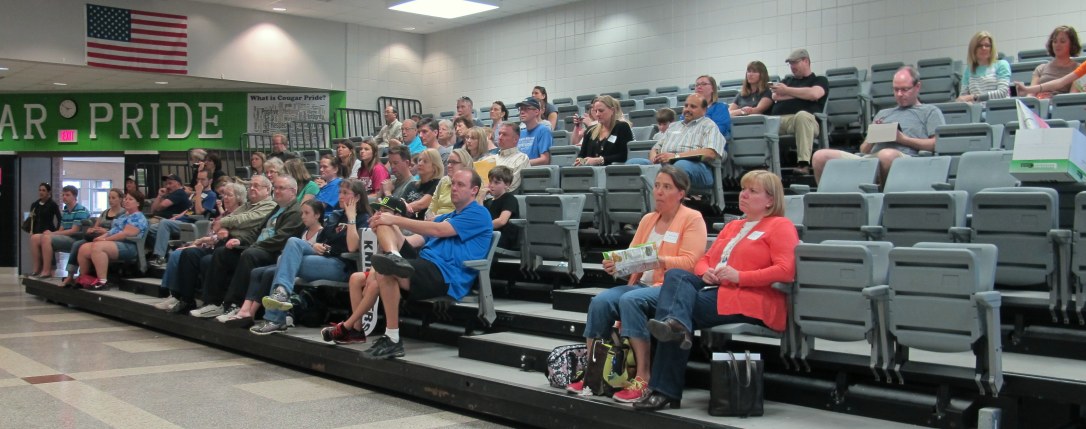
Getting students prepared to be attentive audience members and think about what it means to perform for others.
Performing skits is super fun, but it is easy for kids to get distracted and forget that they need to be seen and heard to get the most points.
If a skit sticks out in the judges’ mind they are going to get a higher score. Here are some ideas that triathletes can employ to add some extra zing to their shows.
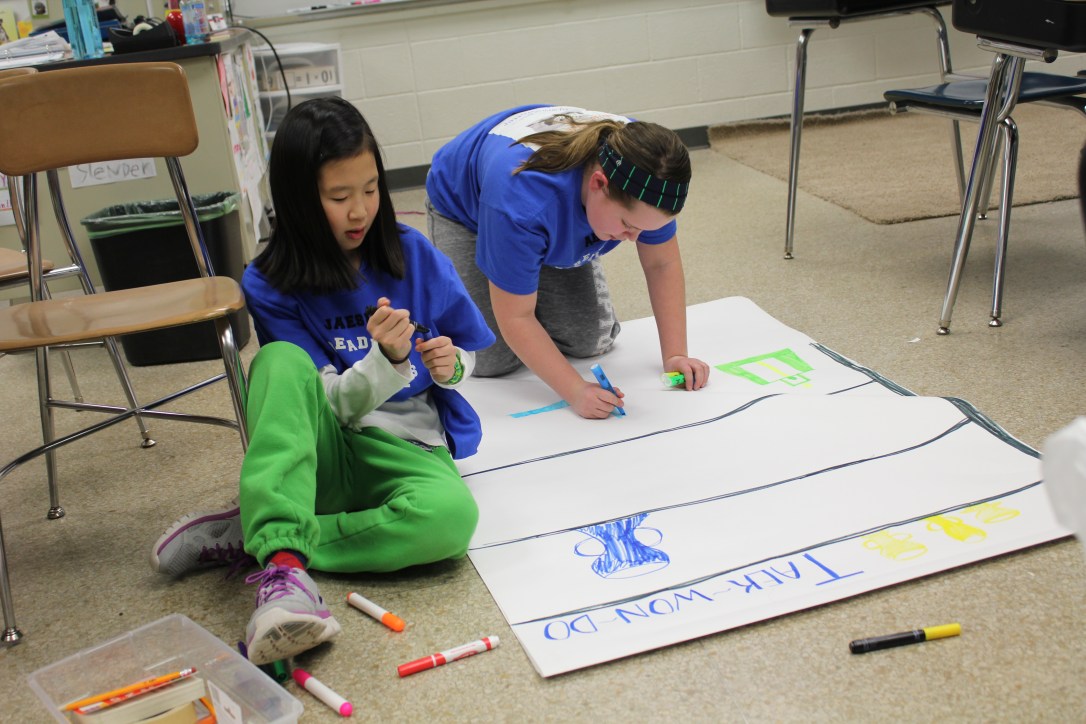
Every Meet the teams get a back drop holder and large swaths of paper to help tell their story. Get some advice about effective backdrops and time management.
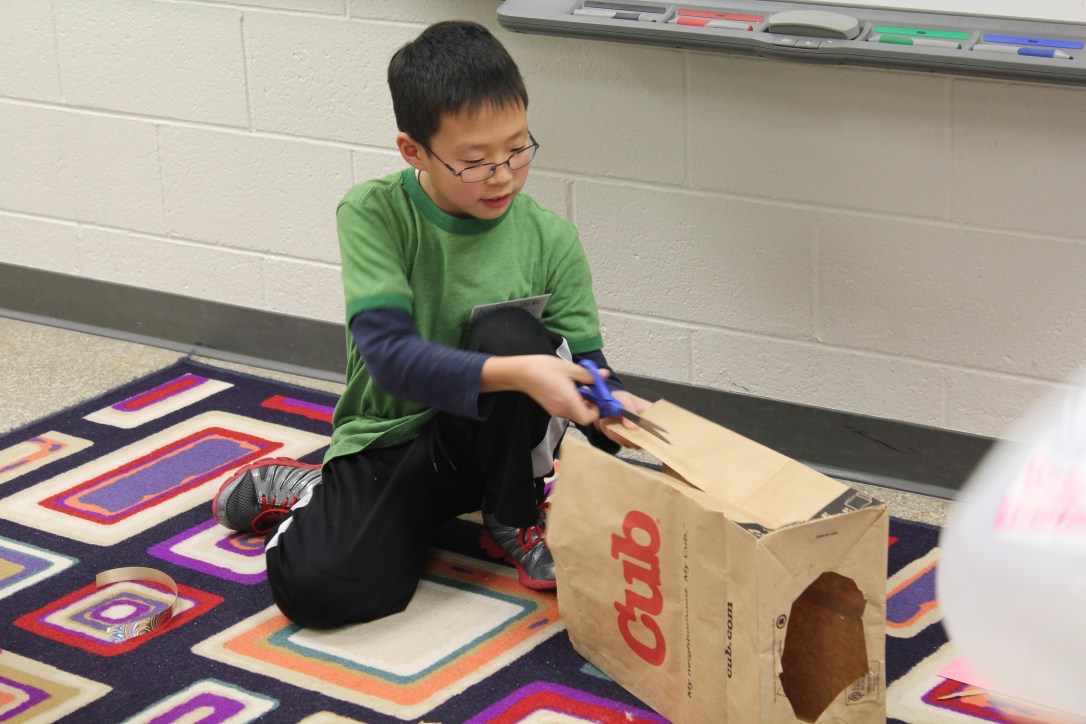
How do you know if your hero is a fire fighter or a bull fighter? The costume of course!
The materials in a P.A.R.T.Y. prep are often the same, so there’s no reason students can’t practice making all sorts of things before the day of the Meet.
Skits aren’t just for fun, they are also a chance to earn points. Triathletes must read and interpret the prompts and scoring rubric without help from their coaches.
Please visit the Registration Page to download this year’s materials.
E-mail your registration to Sarah@usacademictriathlon.com or mail to:
United States Academic Triathlon
204 7th St. West #123
Northfield MN, 55057
Get more info about Setting up the Program, Coaching a Team, and Recruiting Students
The cost per team is $225. Please make checks out to US Academic Triathlon and mail to:
United States Academic Triathlon
204 7th St. West #123
Northfield MN, 55057
Schedules will be posted after Registration has closed.
 usacademictriathlon.com